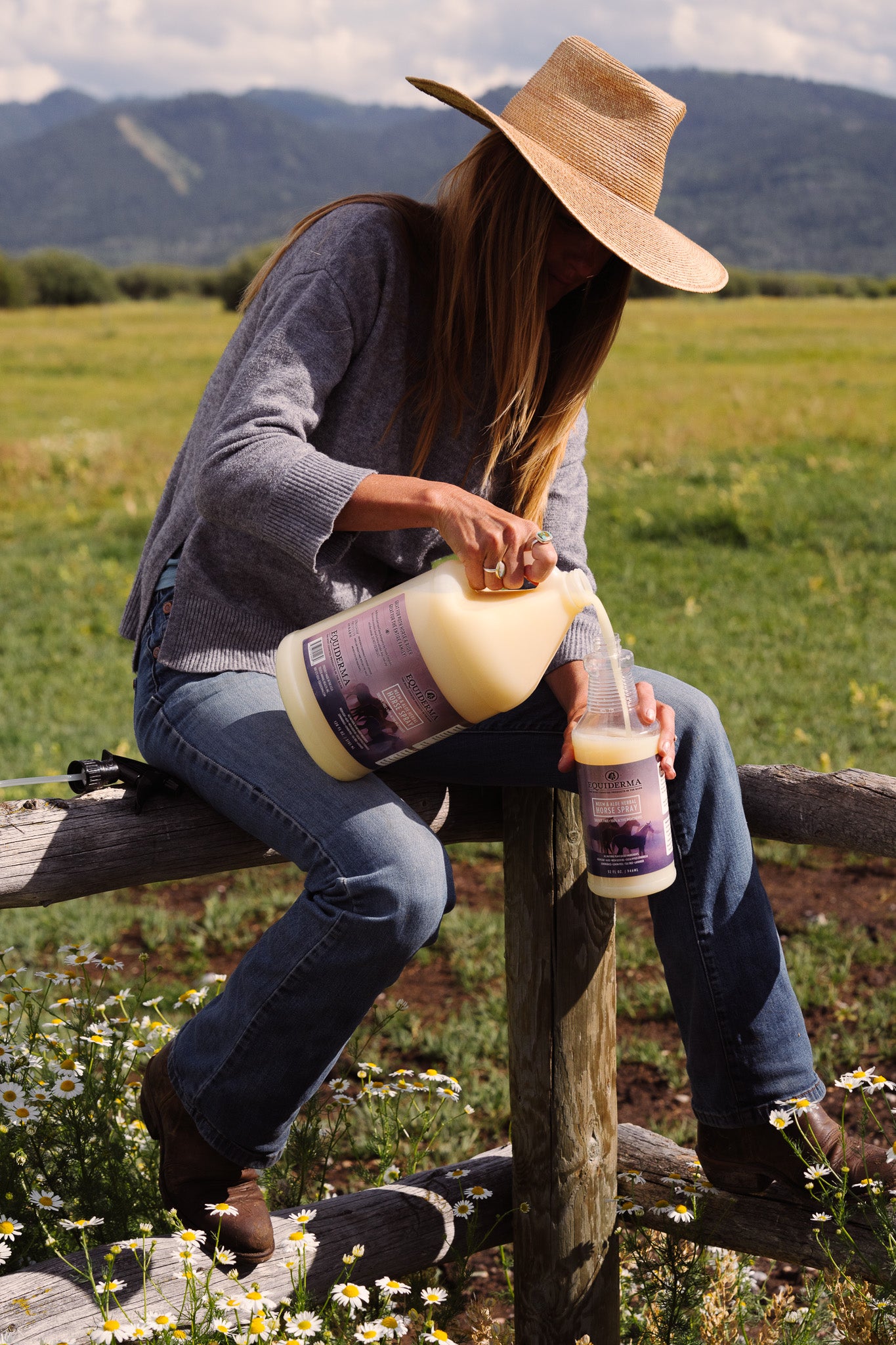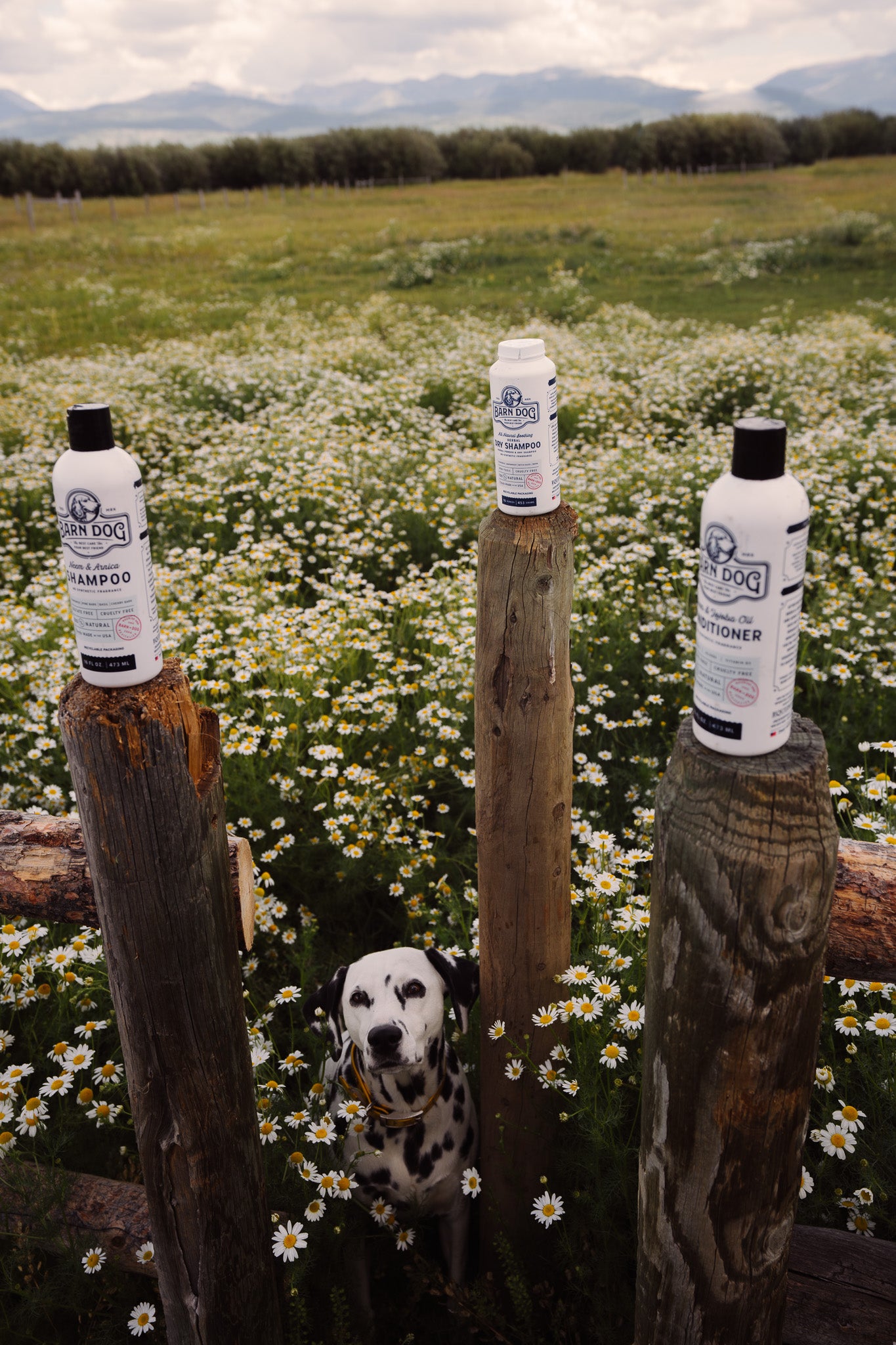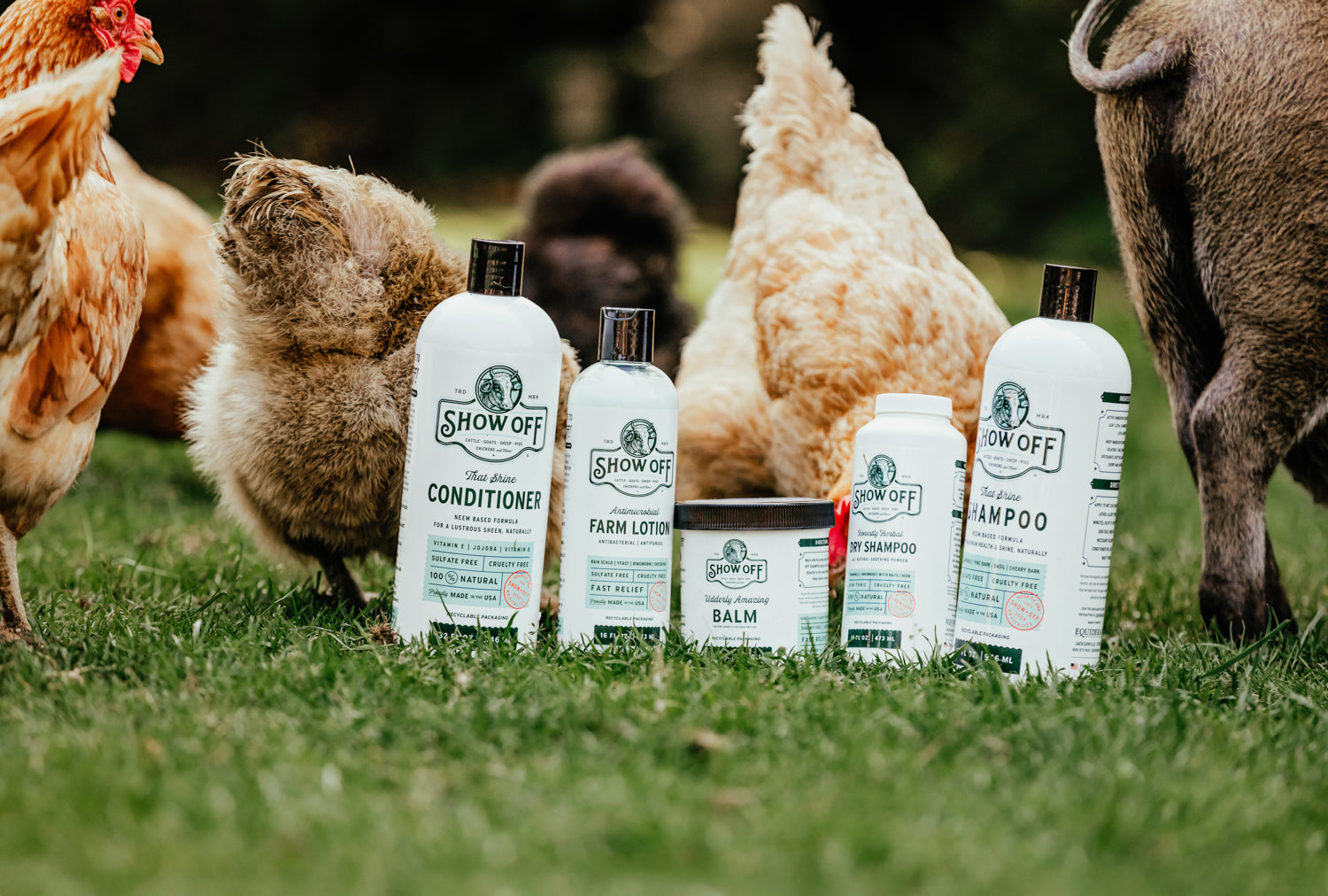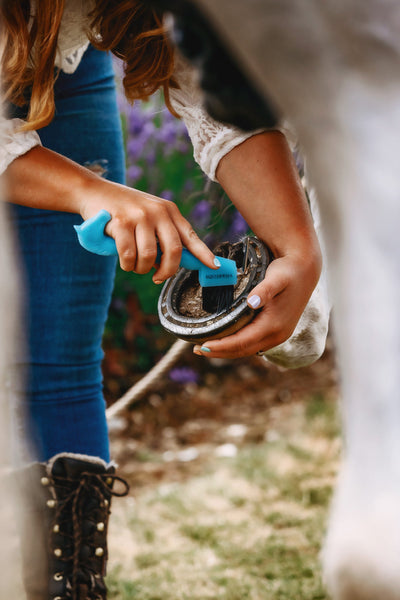

Now available at 🚜...
Tink was one of the horses who changed everything.
He was a big cream-and-white paint horse owned by a family who lived near my barn. One afternoon, while I was tending to the animals, I saw a young girl riding toward me from a distance. As she got closer, I could see she was crying and calling out for me. I knew something was wrong before she even reached the barn.
Tink had suffered a horrific injury to his chest. While riding, he had become startled and run into a length of rebar protruding from a fence. I brought him straight into the barn and onto the wash rack to assess the damage. Once I rinsed the wound and could see it clearly, I realized how severe it was. The rebar had ripped his chest wide open — nearly eight inches deep. Tink was a stout horse with a lot of muscle in that area, and the tissue had been torn straight through.
I immediately called the veterinarian. She came out and sutured the wound, but within a couple of days the stitches tore out. What I was left with was a large, open cavity in Tink’s chest. It was summertime, and the flies were relentless. Every morning when I came to the barn, there would be a thick rope of blood and serum that had drained overnight and hung down toward the ground.
Tink was miserable. The wound itched and pulled. The flies made it worse. And with a wound that deep, the risk of infection was very real.
I did what I was told to do. I scrubbed the wound with Betadine. I used fly products containing permethrins and pyrethrins — knowing even then that, plant-derived or not, they are pesticides and harsh on damaged tissue. And despite all of that effort, the wound wasn’t improving.
I knew something important in that moment. This wound had to heal from the inside out, or Tink would carry problems for the rest of his life. And the products I was using were working against that process.
So I made something different.
I already knew calendula well and trusted its ability to support tissue repair and calm inflamed skin. I also knew the power of neem — not only as a natural insect deterrent, but as a protective botanical that could help keep a wound clean without poisoning it. I blended those with nourishing ingredients like shea butter and supportive plant oils — ingredients chosen to protect fragile tissue, create a breathable barrier, and support healing rather than interfere with it.
I flushed Tink’s wound thoroughly using a large syringe so I could reach deep into the cavity. I cleaned it repeatedly with chlorhexidine gluconate, which I trust far more than iodine scrubs for severe wounds. Then I filled the entire wound — completely — with the ointment I had just made.
At that point, it didn’t have a name. It wasn’t a product. It was something I made for one horse because nothing else was good enough.
The next morning, when I came out to the barn, the first thing I noticed was what was not there. There was no rope of serum. There were no flies. There was no blood or leakage at all. Instead, there was a thin, healthy scab forming over the wound.
From that point forward, twice a day, I flushed the wound and packed the ointment deep inside it and all around it. The flies never returned. Neem and calendula made sure of that. The wound began to pull itself together. It tightened. It was no longer open, inflamed, or oozing.
Despite how severe the injury had been, Tink’s wound healed completely within two weeks with proper care. There was no infection. No complications. No scarring.
That ointment became something I relied on again and again — not just for Tink, but for the many animals who continue to come through my barn. Eventually, it became Equiderma Wound Ointment with Calendula.
Every Equiderma product is created this way. In the barn. Through daily, hands-on care. Made first for the animals I live with and care for every day — and only then shared with others who want safer, more thoughtful options for the animals they love.
Purchase the wound ointment here.
Equiderma, Barn Dog, & Show Off Reviews
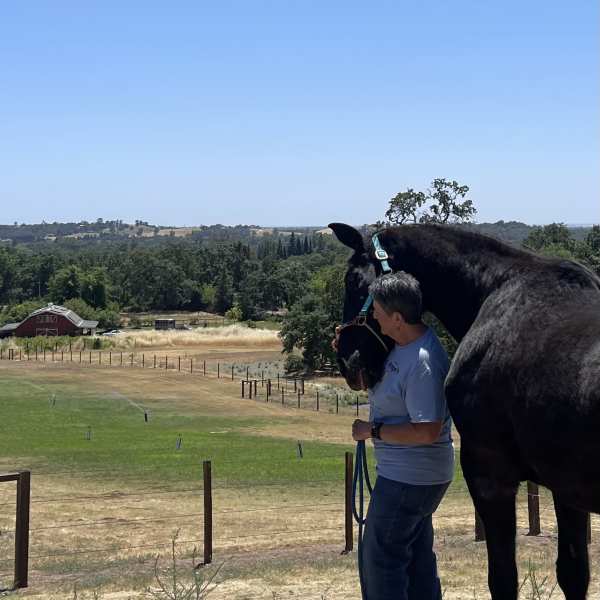
Love, love, love the sales!
Love love love these sales! We go through gallons of the outdoor spray in season and every saved penny helps! Have been using this product since it came out and would not be without it. Have sensitive skinned horses and we are all about natural. Works fantastic and smells amazing. The Skin Lotion is also a must in our barn. Great for sweet itch, hock rubs, fly bites, any skin irratations. Again love the holistic approach. Highly recommend all their products. They do not dissapoint!
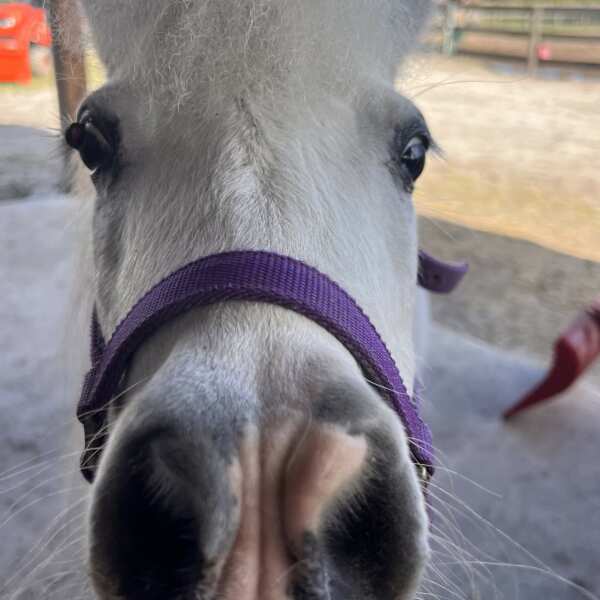
My Favorite!!
The Liberty Barn horse rescue in Palm City, Fl uses all your products. Volunteers self purchase and we always put your products on our Wishlist Wednesday products in hopes of donations. Thank you for great sales and great products.
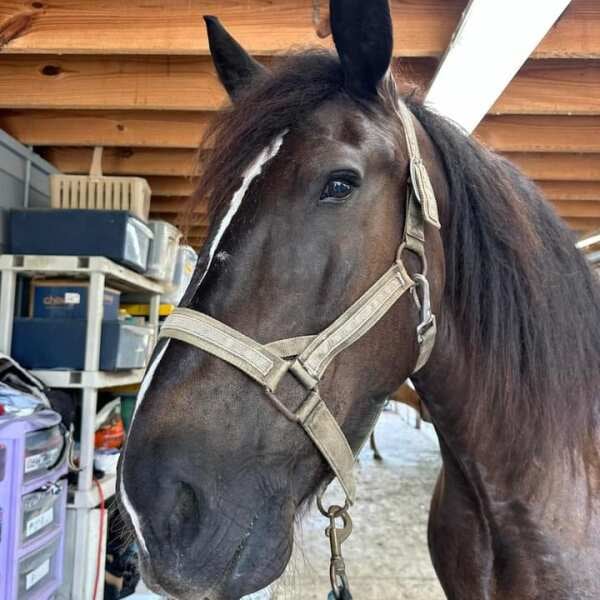
Equiderma Products are Great!!!
Equiderma products are great! I volunteer at a rescue and we use a lot of their products. I have recently started using them on a draft horse with CPL. it is easily yet but it seems to be getting smaller. Some of the CPL sites have recommended zinc oxide for horses with CPL. I figured what have I got to lose. I also use it for one of our drafts with pastern dermatitis. The people at Equiderma are kind and helpful. Their company cares. My review will say Maggie but she’s the horse. Maggie is very appreciative of having the Equiderma products.
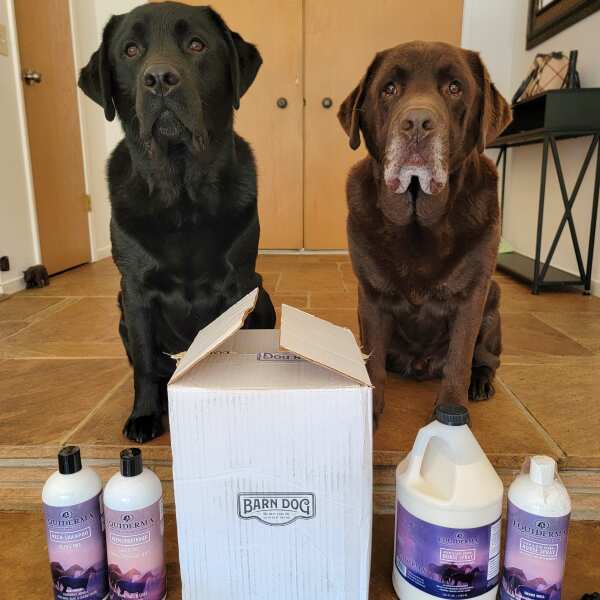
We are lifelong Equiderma fans!
We use both the horse and dog products from Equiderma and love them both equally. My chocolate lab has allergies and using the barn dog shampoo has cleared up all his skin issues, we couldn't survive without it. On top of amazing products, the customer service is exceptional. We are lifelong fans of Equiderma.